
Mall Kiosk Approval in Dubai: The Design, MEP and Permit to Work Process Explained
By Parvathy Shijin, Marketing Lead, New Royal Advertising
Last reviewed: 14 July 2026
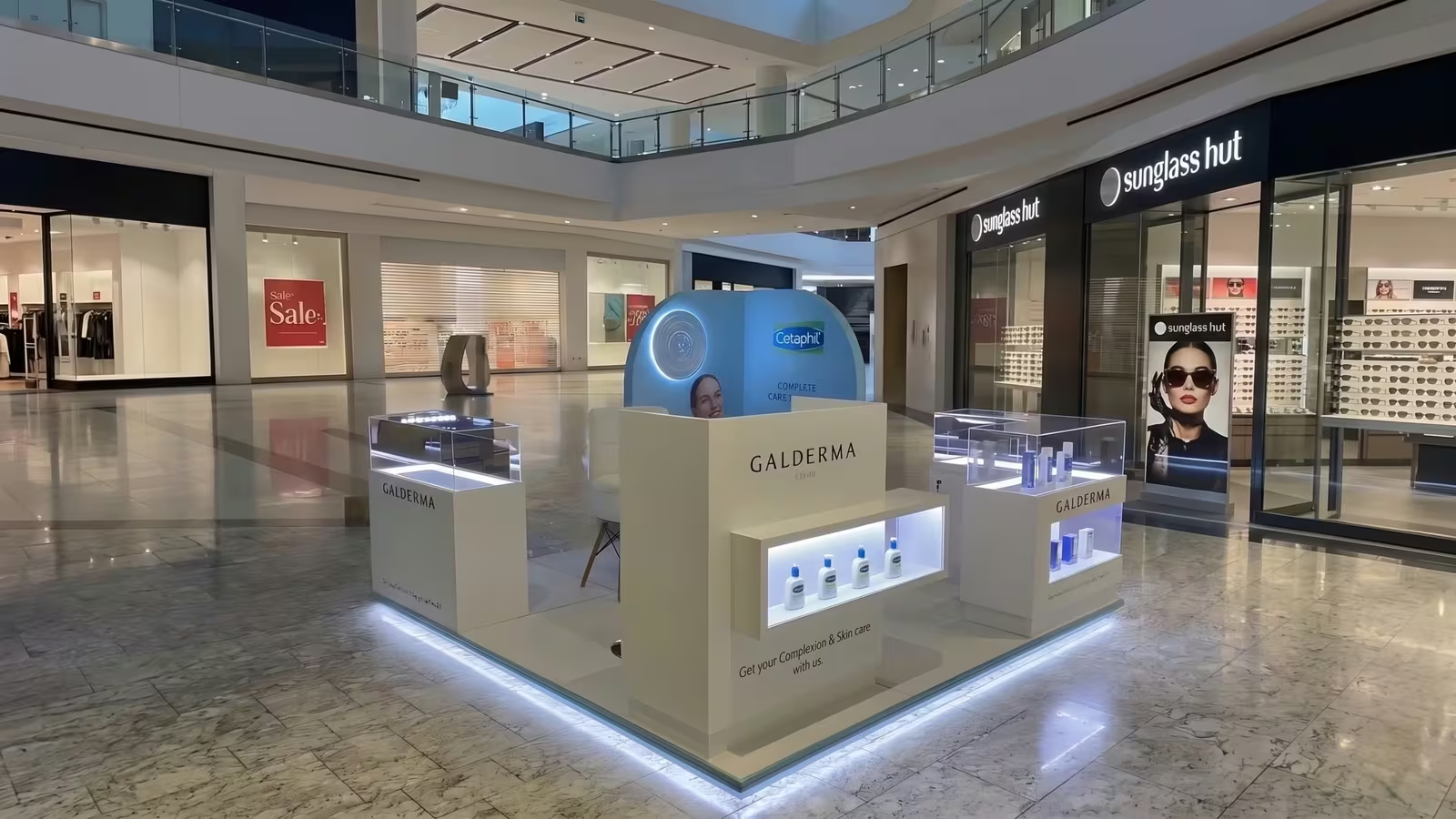
Most kiosk delays in Dubai malls have nothing to do with fabrication. They come from the approval stage: getting a design signed off, the MEP drawings checked, and a Permit to Work issued before anyone can touch the site. Miss a step here and a four-week build turns into a two-month wait.
What a mall actually asks for before you build
Every mall in Dubai runs its own design review before a kiosk goes up. The landlord’s team checks the concept against their design guidelines, then asks for the technical package: structural drawings, MEP layout, and load calculations for anything drawing power or fixed to the floor. Only once that package is approved does the mall issue the Permit to Work that lets a crew start on site.
Skip a document, or submit a design the mall’s guidelines don’t allow, and the file goes back for revision. That is the part that eats weeks, not the carpentry.
Common reasons a submission gets sent back
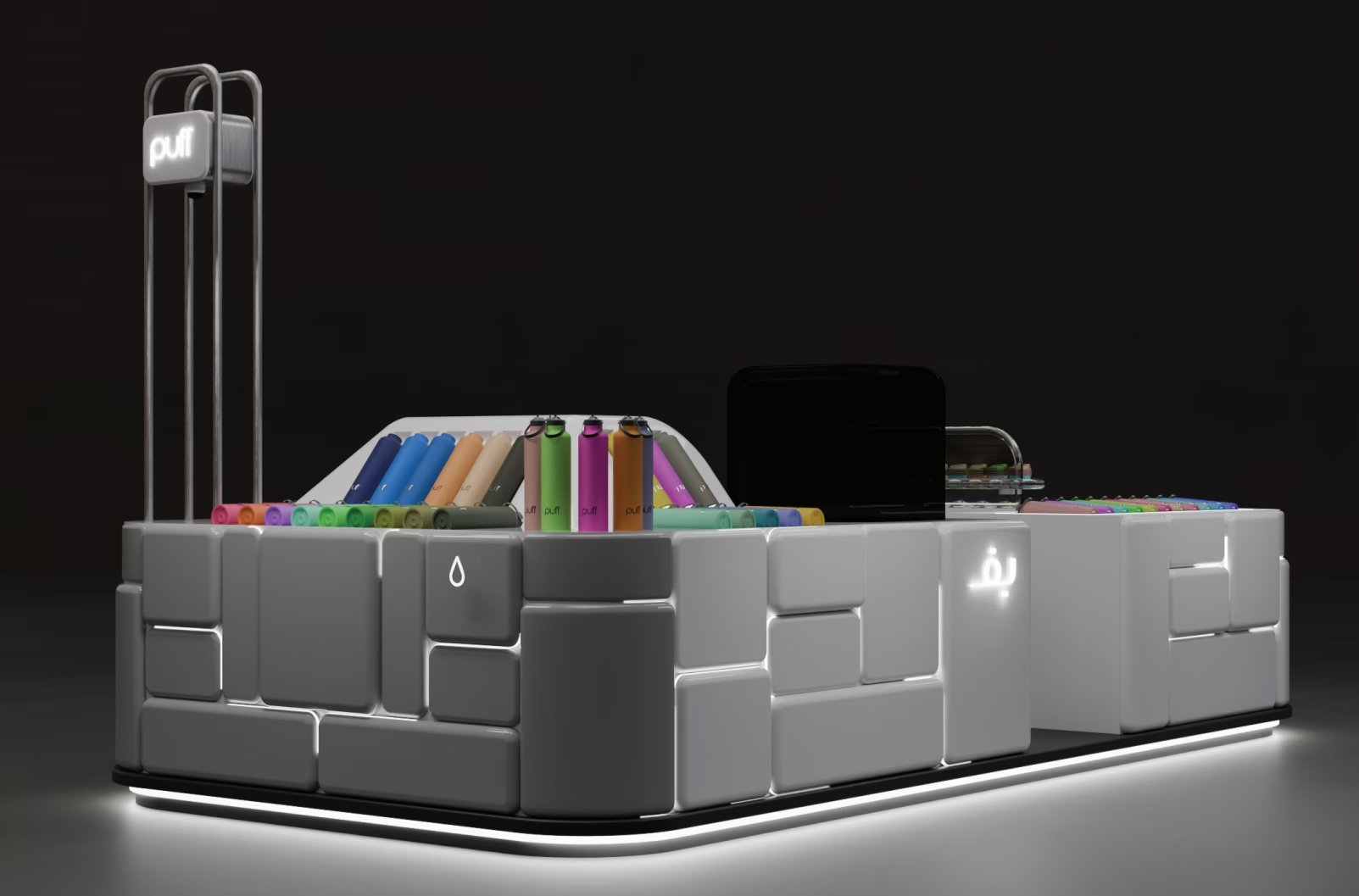
In our experience, three issues account for most of the delays: a design that doesn’t match the mall’s material or branding guidelines, MEP figures that don’t match the fixtures once priced, and a structural detail that doesn’t hold up to the mall’s floor loading limits. Catching these before submission, not after, is what keeps a project on a 2 to 4 week track instead of drifting past it.
The malls we submit for
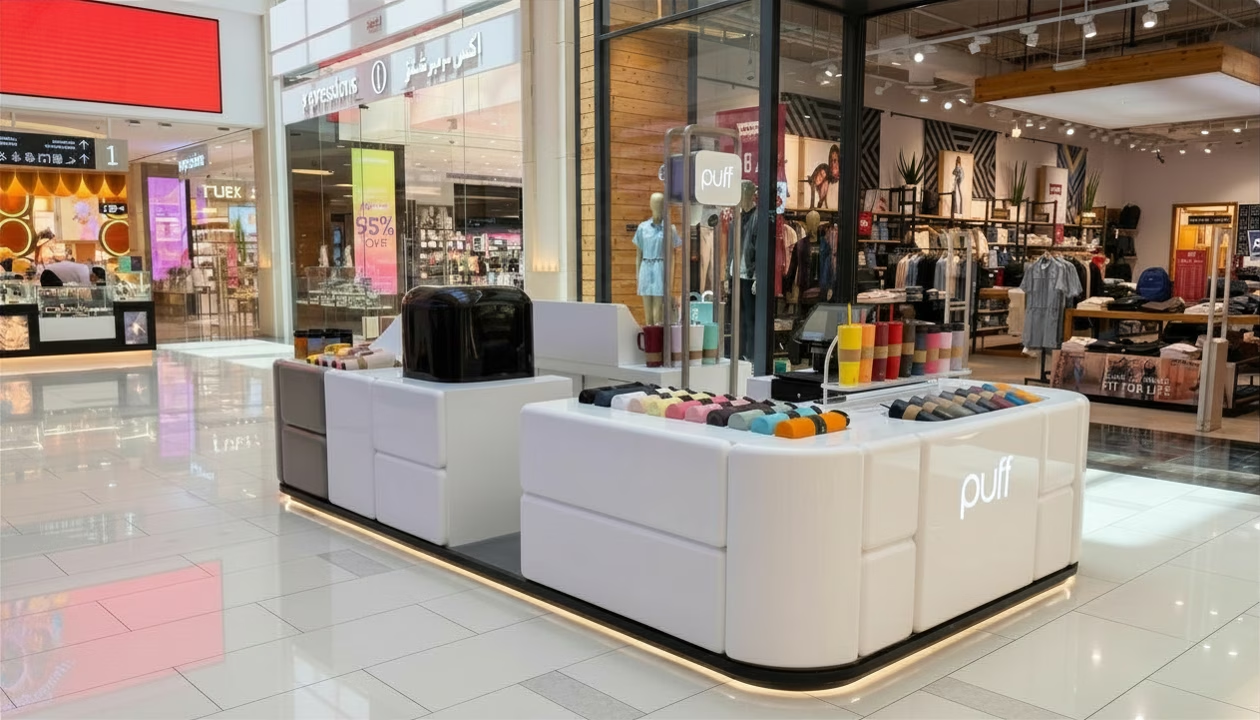
We prepare the design, structural and MEP drawings, and load calculations, and manage the full submission ourselves for Dubai Mall, Mall of the Emirates, Yas Mall, and City Centre. Each mall runs its own version of the same three checks: does the design fit the guidelines, does the MEP hold up, does the structure make weight.
Why the process breaks with subcontracted builds
Many kiosk builders design the concept in-house, then hand fabrication to whoever has capacity that month. The approval package gets written by one team and built by another, so small gaps between what the drawings show and what the workshop can actually build often surface after the mall has already signed off. Reopening an approved submission is slower than getting it right the first time.
How we run it end to end
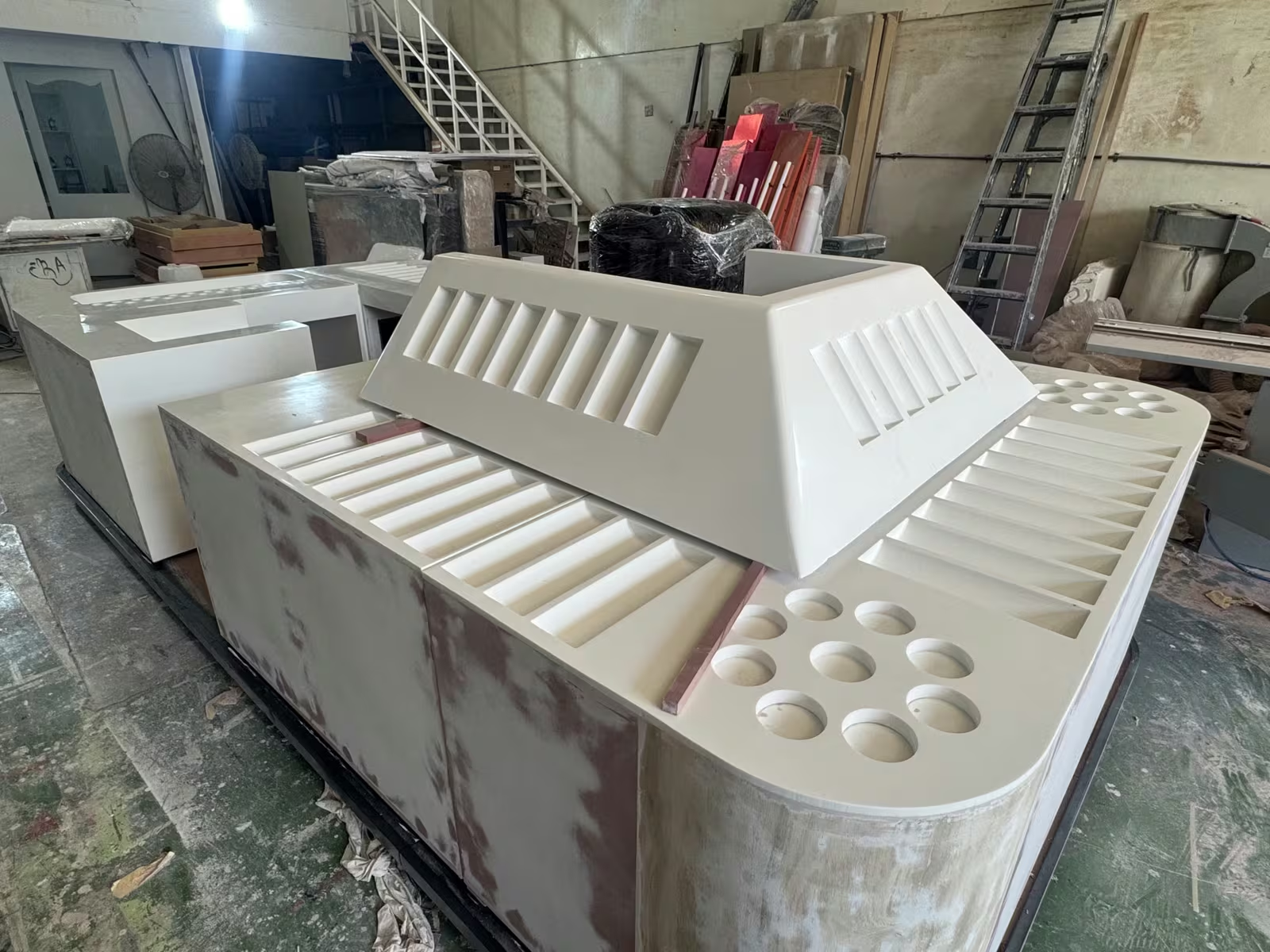
We design, draw, and fabricate everything in our own Al Quoz workshop, so the approval package we submit is the same file our carpenters and electricians build from. There is no handoff where the drawing and the build drift apart. That is the same process behind the DUCRAY interactive kiosk and the Pepsi activation kiosk: one team, from concept to install.
What to have ready before you brief us
- The mall and the exact unit or kiosk spot number
- The spot’s dimensions and any restrictions the mall has already given you, such as ceiling height, power points, or drainage
- Your target install date and the mall’s usual approval lead time, if you know it
- Any branding assets already locked: logo, brand colors, approved artwork
Timeline and cost
Standard lead time is 2 to 4 weeks, depending on size, materials, and how many rounds the mall submission needs. Most kiosks in the UAE fall between AED 18,000 and AED 45,000, depending on size, materials, branding, lighting, and mall requirements. We give a full cost breakdown once the concept is approved, not after.
If you have a mall spot and a deadline, the next step is a design and a submission plan, not a quote in isolation. Send us the mall, the spot size, and the target date on the kiosk design and fabrication page, and we will tell you what the approval path looks like before you commit to anything.