
Custom vs. Modular Exhibition Stands in Dubai
For B2B marketing directors and event planners preparing for major trade shows at the Dubai World Trade Centre (DWTC) or ADNEC, securing floor space is only the first step. The architecture that occupies that space will fundamentally dictate foot traffic, brand perception, and ultimate return on investment (ROI).
One of the most critical structural decisions event teams face is choosing between a pre-fabricated modular system and a bespoke custom build.
As exhibition strategists at New Royal Advertising, we have analyzed years of trade show data to understand how structural design impacts lead generation. This guide provides an objective, resource-driven breakdown of the custom vs. modular debate, equipping you with the knowledge to make an informed, data-backed decision for your next event in the UAE.
Understanding the Architecture: Modular vs. Custom
To accurately evaluate ROI, it is essential to define the engineering and strategic differences between the two primary exhibition frameworks.
The Mechanics of Modular Systems
Modular exhibition stands are constructed using pre-engineered, interchangeable frameworks, most commonly standard aluminum extrusions and tension fabric displays.
- The Appeal: They are generally marketed as entry-level solutions that are quick to deploy and budget-friendly for small-scale exhibitors who want to reuse the exact same frame for years.
- The Limitations: By design, modular systems force a brand into a generic template. Because the framework relies on standard dimensions, exhibitors face severe limitations in 3D spatial branding, architectural height, and load-bearing capabilities.
The Mechanics of Custom Bespoke Stands
Custom exhibition stands are engineered from the ground up utilizing specialized carpentry, CNC machining, premium materials, and high-resolution large-format printing.
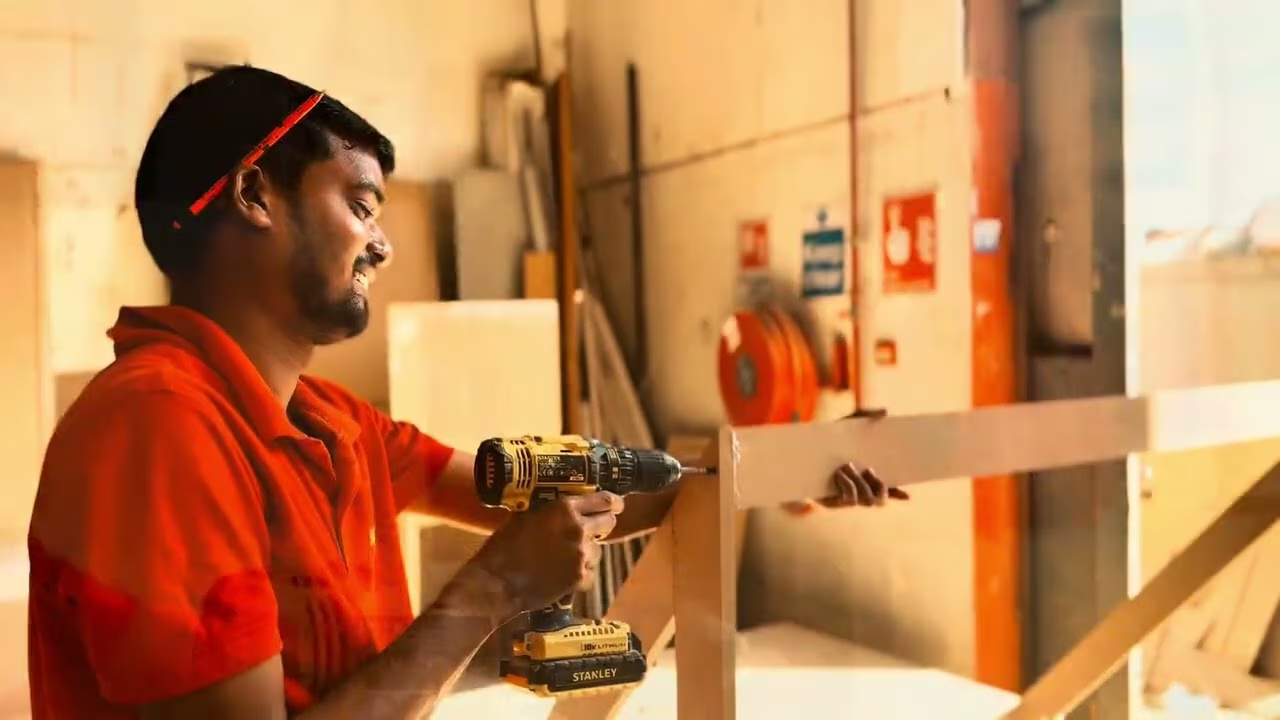
The Appeal: A bespoke build is dictated entirely by a brand’s specific commercial objectives. Every layout choice, lighting angle, and material is selected to optimize visitor flow and showcase brand authority.
The Reality: Custom stands require a specialized workforce and precise project management, meaning exhibitors must partner with fully equipped fabrication facilities rather than standard marketing agencies.
Analyzing the Impact on Brand Authority and Footfall
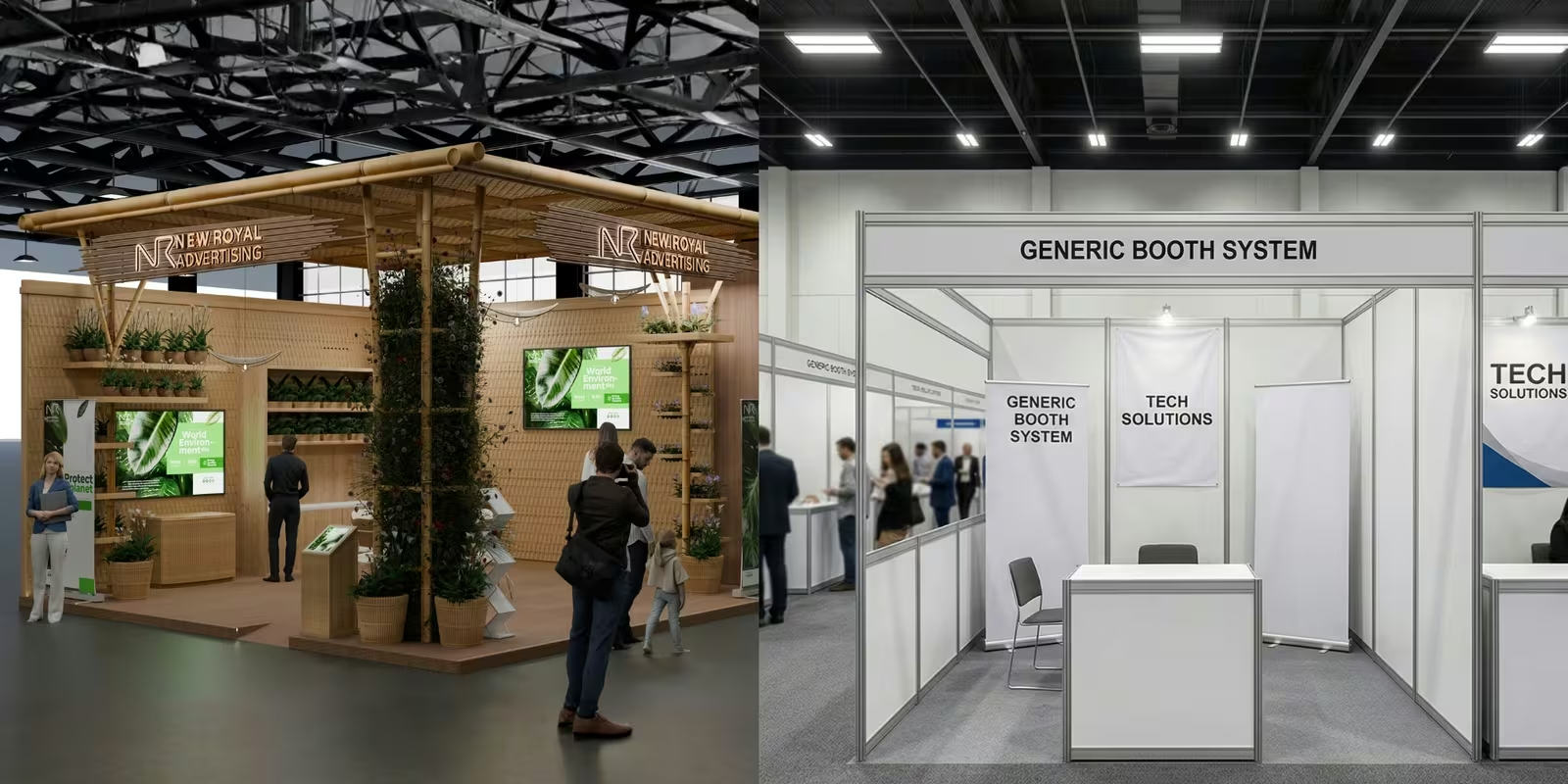
In highly saturated exhibitions, standardizing your presence is a strategic liability.
When an attendee walks down a crowded aisle, their brain makes snap judgments based on visual hierarchy. Modular stands, due to their structural limitations, often blend into the background. Conversely, custom 3D designs command attention and make your brand stand out. Integrating built-in retail POS displays, experiential technology rooms, and unique architectural curves instantly communicates industry leadership and builds immediate trust with B2B decision-makers.
Lifecycle and Reusability: The “3-Show” Reality
A critical factor in the custom vs. modular debate is the physical lifecycle of the asset. It is an industry reality that bespoke custom stands are not designed for infinite reuse.
Typically, a custom stand has a maximum practical lifecycle of 1 to 3 shows. Because they utilize specialized carpentry, painted finishes, and highly specific 3D branding, structural wear and tear naturally limits their lifespan.
However, top-tier brands view this limited lifecycle as a strategic advantage:
- Fresh Campaigns: Instead of dragging a dated, worn-out modular frame to events for five years, custom exhibitors refresh their architecture to match their latest product launches and evolving brand guidelines.
- Short-Term Storage: For campaigns spanning a single season or a short series of exhibitions, temporary reuse is highly effective. If you plan to reuse your stand for future events, we can dismantle, pack, and store it safely in our warehouse until you need it again. This allows you to maximize the ROI of your bespoke build across its 1-3 show lifespan.
The Financial Reality: Hidden Fees vs. Fixed Investments
Budget overruns frequently derail event marketing campaigns. Understanding the pricing models of both systems is crucial for financial planning.
The Fragmented Costs of Modular Rentals
While the initial quote for a modular kit may seem low, costs often multiply during execution. Because standard agencies often act as middlemen, exhibitors frequently encounter unexpected invoices for third-party transport, independent AV rentals, and extended setup times.
The Predictability of Turnkey Custom Builds
Evaluating custom builds requires looking at comprehensive, fixed-price models. Elite custom fabricators operate on a “turnkey” basis. This means a single, transparent contract covers 100% of the project lifecycle:
- 3D visualization and free design revisions.
- Submitting designs, method statements, and risk assessments to venue organizers and obtaining all necessary electrical and structural approvals on your behalf.
- In-house manufacturing (carpentry, printing, CNC).
- Delivery, on-site installation, and dedicated support.
How Much More Does a Custom Stand Really Cost?
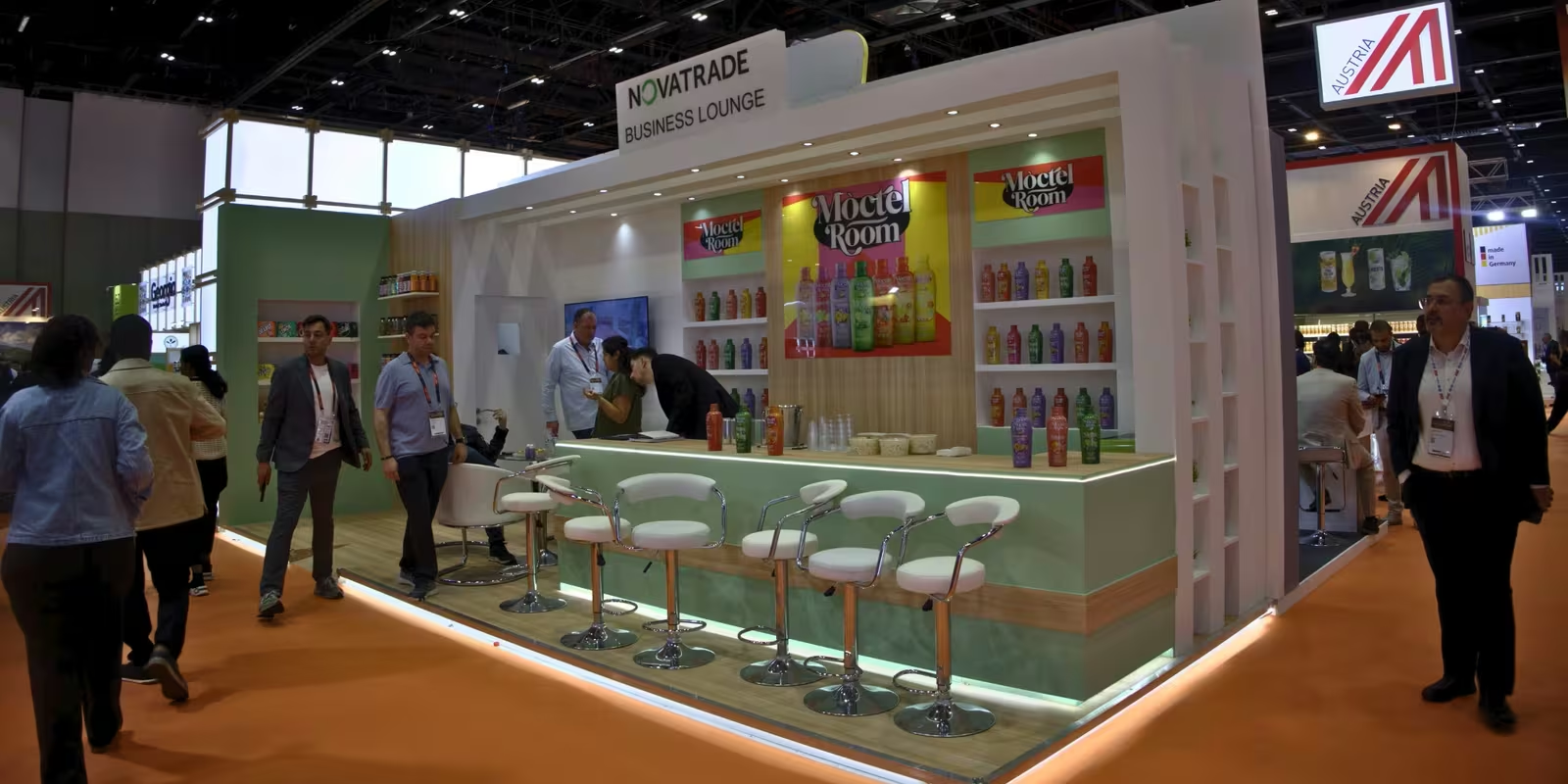
The honest answer: it depends on size and design complexity, but the price gap is smaller than most first-time exhibitors expect. A modular kit’s low sticker price often hides third-party transport, AV rental, and setup fees that a turnkey custom quote already includes. For real AED figures by stand size, see our 2026 exhibition budgeting guide, or run your own numbers in about two minutes with the instant stand cost calculator.
Frequently Asked Questions
Is a custom exhibition stand worth the extra cost?
For most B2B exhibitors at major DWTC and ADNEC shows, yes. A custom stand is built around your specific brand, layout, and lead-generation goals, while a modular kit forces you into a standard template. The cost gap narrows further once you account for the hidden fees modular rentals often carry.
Can a modular stand be upgraded to look custom?
Only within limits. Modular frames are built to standard dimensions, so branding, lighting, and layout stay constrained by the system itself. A genuinely bespoke look is built in from the design stage on a custom stand, not added on top of a modular frame afterwards.
How long does a custom stand take to build compared to modular?
Modular kits assemble faster on-site since the components are pre-made. Custom stands need a longer lead time upstream for fabrication, but that time buys a stand engineered specifically for your space and brand rather than a rented shell. Brief your stand contractor early and the extra lead time is straightforward to plan around.
Conclusion: Making the Right Structural Choice
For startups testing the waters at smaller community events, modular systems offer an entry point. However, for established B2B brands competing for market share at major international exhibitions in Dubai, custom fabrication is the definitive standard.
By investing in bespoke architecture and partnering with an agency that handles 100% of your project in-house, marketing directors can secure unrivaled brand presence, ensuring maximum impact during the stand’s peak lifecycle.